
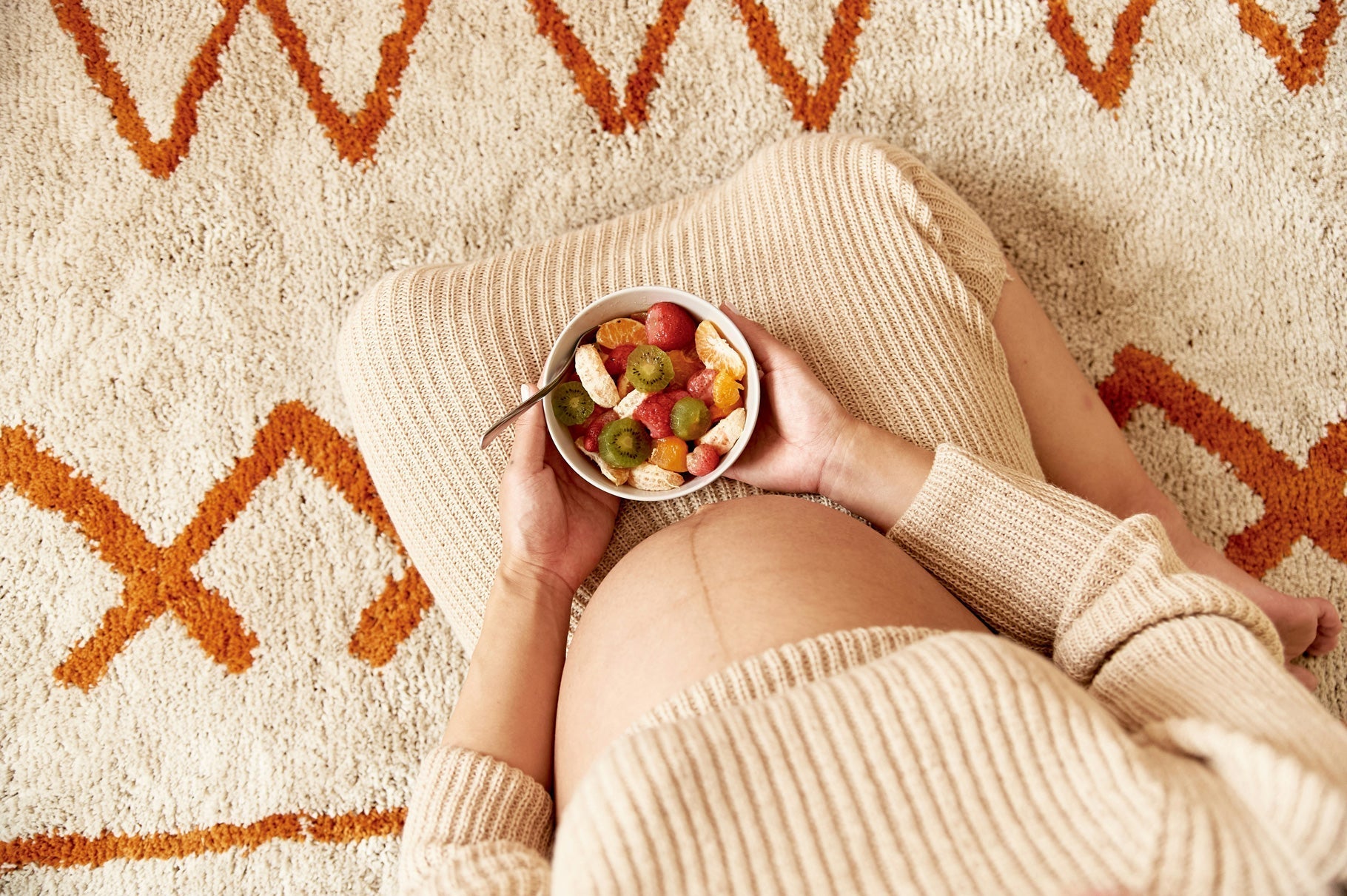
Foods to Avoid and Focus on During Pregnancy
Why What You Eat Matters More Than Ever
Pregnancy is a time when the food choices you make every single day have a ripple effect that goes far beyond your own body. Every nutrient you take in helps build your baby's brain, bones, organs and immune system from the ground up. That’s a huge responsibility, and the good news is that eating well during pregnancy doesn’t have to be complicated or stressful.
Safe food handling is just as important as what’s on your plate. During pregnancy, your immune system works differently to protect your baby, which can make you more vulnerable to certain foodborne illnesses. A few simple habits, such as checking how your food is cooked and stored, can make a real difference in keeping both of you healthy.
This pregnancy nutrition guide will walk you through the foods to avoid, the ones to simply limit and the nutrient-packed options that should take center stage in your meals.
Foods to Avoid During Pregnancy
Raw or Undercooked Meats
Raw or undercooked meat, poultry and seafood can carry harmful bacteria like Listeria, Salmonella, and Toxoplasma, all of which pose serious risks during pregnancy. While pregnant, it’s best to avoid eating rare steaks, sushi made with raw fish and undercooked eggs. The general rule is to cook meat until it reaches a safe internal temperature and to avoid anything that is still pink in the middle.
It might feel like a lot to give up, but most of your favorite dishes can be easily adapted. A well-cooked salmon fillet or a fully cooked shrimp stir-fry gives you all the protein you need and flavor without the risk.
High-Mercury Fish
Fish is a fantastic source of protein and omega-3 fatty acids, but some varieties contain high levels of mercury that can harm your baby's developing nervous system. Swordfish, shark, king mackerel and bigeye tuna are the main ones to avoid. Thankfully, there are plenty of delicious, low-mercury fish that are both safe and recommended to eat during pregnancy.
Unpasteurized Dairy and Deli Meats
Unpasteurized cheeses like brie, camembert, and certain blue cheeses can harbor Listeria, a bacteria that is dangerous during pregnancy. Stick to cheeses made with pasteurized milk, which are clearly labeled at most grocery stores. Deli meats should also be avoided unless you heat them until they are steaming hot (to 140F-160F, depending on the meat), which kills any potential bacteria lurking inside.
Excess Caffeine
You don’t have to give up your morning coffee entirely, but keeping caffeine under 200mg per day is the current recommendation during pregnancy. That’s roughly one small to medium cup of coffee. High caffeine intake has been linked to a higher risk of miscarriage and low birth weight, so it’s worth being mindful of hidden caffeine in teas, sodas and chocolate.
Foods to Limit
Processed Sugars and Artificial Sweeteners
Overly processed foods and added sugars offer little nutritional value and can cause excessive weight gain and gestational diabetes. That doesn’t mean you can never enjoy something sweet, but replacing sugary snacks with naturally sweet options like fruit gives you fiber, vitamins and antioxidants along with that satisfying sweetness.
Artificial sweeteners are a bit of a gray area during pregnancy. While most are considered safe in small amounts, the research is still evolving, so moderating your intake and choosing whole foods when possible is a sensible approach.
Certain Herbal Teas
Not all herbal teas are created equal when you are pregnant. In general, chamomile and peppermint are generally considered fine. Others, including licorice root and high doses of ginger, may stimulate contractions or have other effects that make them risky during pregnancy. When in doubt, check with your doctor before sipping something new.
Foods to Focus On
Leafy Greens
Spinach, kale, Swiss chard and romaine lettuce are nutritional powerhouses packed with folate, iron, calcium and vitamin C. Folate is essential during the first trimester to support healthy neural tube development. Adding a handful of greens to smoothies, soups or omelets is an easy way to work them in without making every meal feel like a salad.
Lean Proteins and Whole Grains
Your protein needs increase during pregnancy to support your baby's growth and your own expanding blood volume and muscle tissue. Chicken, turkey, beans, tofu and eggs are all excellent choices that are versatile enough to fit into almost any meal. Whole grains like oats, quinoa, brown rice and whole wheat bread add steady energy, fiber and B vitamins that keep you feeling balanced throughout the day.
Dairy and Omega-3 Rich Fish
Dairy products like yogurt, milk and pasteurized cheese provide calcium and protein. If you’re dairy-free, fortified plant-based milks made from oat, almond or soy can fill in the gaps. For omega-3s, low-mercury fish like salmon, sardines and trout are among the best sources available and support your baby's brain and eye development in meaningful ways.
Key Nutrients to Prioritize
The Big Five
Folate is critical in early pregnancy to prevent neural tube defects. You can find it in dark leafy greens, legumes, citrus fruits and fortified cereals. Iron is another top priority since your blood volume increases significantly during pregnancy. Lean red meat, spinach, lentils, and fortified grains are great sources, and pairing them with vitamin C helps your body absorb iron more efficiently.
Calcium supports your baby's bone and teeth development, and if you’re not getting enough from food, your body will pull it from your own bones. DHA, an omega-3 fatty acid, plays an important role in brain and eye development, especially in the third trimester. Finally, protein is the building block your baby relies on for virtually every part of their development, so keeping it consistent across your meals really matters.
Safe Food Preparation Tips
Washing all fruits and vegetables thoroughly under running water removes surface bacteria and pesticide residue, even on produce you usually peel. When it comes to cooking temperatures, a food thermometer is your best friend. Chicken should reach 165 degrees F, ground meat 160 degrees F, and fish 145 degrees F before you consider it fully cooked and safe to eat.
Cross-contamination is one of the sneakiest sources of foodborne illness. Keep raw meat, poultry and seafood stored separately from ready-to-eat foods in your fridge, and use separate cutting boards for each. Washing your hands and kitchen surfaces after handling raw proteins takes only a moment and goes a long way toward keeping your kitchen safe.
Building Habits That Last
Eating well during pregnancy doesn’t have to feel like a chore. When you focus on adding more of the good stuff, including colorful vegetables, quality proteins, whole grains and nourishing fats, the foods to avoid naturally take up less space on your plate. Small, consistent choices add up to big benefits for both you and your baby over the months ahead.
If you are ever unsure about what to eat while pregnant, your healthcare provider or a registered dietitian who specializes in prenatal nutrition is the best resource you have. For more guidance on pregnancy wellness, prenatal vitamins, and trimester-by-trimester nutrition tips, reach out to your care team or explore trusted resources through the American College of Obstetricians and Gynecologists at acog.org.
Leave a comment
This site is protected by hCaptcha and the hCaptcha Privacy Policy and Terms of Service apply.