
Pregnancy Test Dos and Don’ts: When to Take It, How-To Guide, Brands to Trust, and More
Without a doubt, a planned pregnancy can be a blessing. However, the possibility of an unplanned pregnancy can be stressful, at best. To eliminate any uncertainty, it's vital to know exactly when and how to take a pregnancy test. Doing it wrong can make an already difficult situation even worse. To help, here's a guide on when to test and how to use a pregnancy test properly. We'll also cover how to interpret unclear results and what to do after a positive test.
When to Take a Pregnancy Test
To understand proper pregnancy test timing, you must know how the tests work. At-home pregnancy tests detect the presence of human chorionic gonadotropin (hCG) hormones. Your body produces hCG soon after implantation of a fertilized egg. However, it's important to realize that hCG can take time to reach detectable levels. So, the ideal time to use a pregnancy test is right after a missed period. By then, there should be sufficient hCG to yield a clear result.
When you take a pregnancy test, you should try to do it first thing in the morning. That's when your urine is most concentrated and should have plenty of hCG to detect, if present. In most cases, that will prevent an unclear result. If you get an unclear result anyway, you should wait for 48 hours and retest. hCG levels double in the average pregnant person every two days, so your second test should be more definitive.
How to Use a Pregnancy Test Correctly
Different tests may have slightly different testing procedures. However, most include steps like:
- Remove the test from its packaging and read its instructions completely
- Hold the test's tip in your urine stream or in the collection cup for the recommended time
- Place the test on a flat surface and wait for the precise time specified in the instructions
- Read the result within the interval specified in the instructions
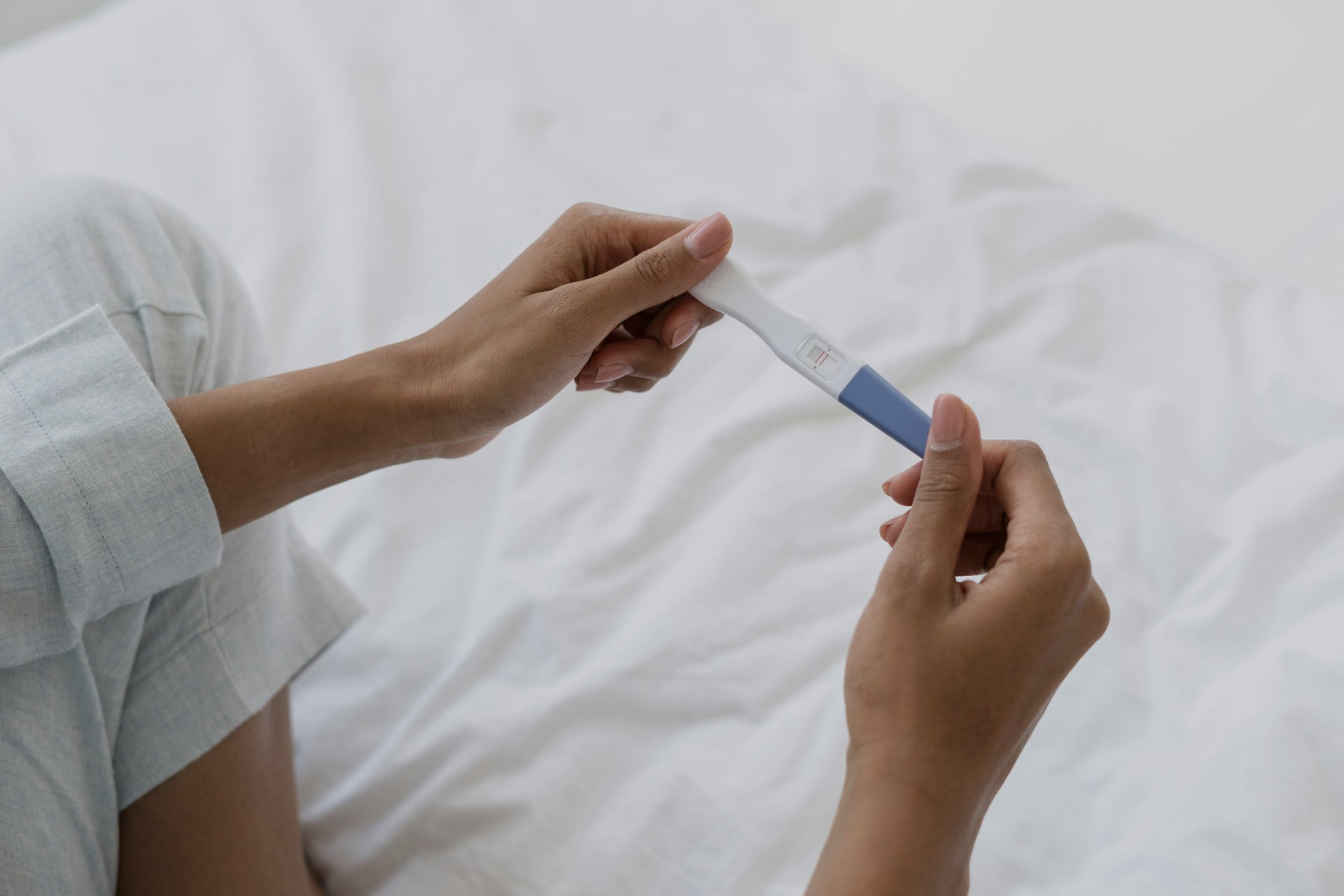
If you're using a digital test, it should display the word "Pregnant" or the words "Not Pregnant", or similar verbiage after a test. If you're using a line test, it should display one line for a negative test or two lines for a positive test. Either test may only yield a faint result, indicating a need for a retest.
Pregnancy Test Dos
When you take a pregnancy test, there are a few best practices you should follow. One is to make sure to read all of the test's instructions before beginning. You should also check your test's expiration date before using it. As previously mentioned, you should take your test first thing in the morning, if possible. And if you get a positive result, follow up with your doctor for confirmation.
Pregnancy Test Don'ts
There are also some things to avoid when you need to take a pregnancy test. One is to avoid panicking and taking a test before you miss a period. Early pregnancy test accuracy isn't guaranteed and may only increase your stress. Another is to ensure that you read the results within the timeframe specified in your test's instructions. You should also be sure to use undiluted urine with your test for accurate results. And if you do get an unclear result, don't read too much into it. Instead, retake the test after at least 48 hours to see if anything changes.
Brands to Trust and Accuracy Considerations
It's important to remember that not all pregnancy tests are created equal. For the most accurate results, choose a brand that follows FDA standards. That tells you the test will deliver appropriate sensitivity and accuracy. You may find some tests advertising early detection, meaning they can detect hCG levels in the 10–20 mIU/mL range. However, every FDA-cleared pregnancy test should provide an accurate result after a missed period.
What to Do After Your Results
Most of the time, a positive test result indicates a pregnancy. However, it is always best to confirm your results with a visit to a doctor. And if you're feeling pregnancy symptoms after a negative or unclear test, see your doctor immediately. They can rule out other potentially serious medical conditions and treat your symptoms.
Conclusion
Now you know everything you need to know about when and how to take a pregnancy test. Hopefully, this knowledge can relieve some of your anxiety. And if you're dealing with an unplanned pregnancy, know that there are plenty of pregnancy support resources that can help you. So don't be afraid to reach out for help if you need it.
Leave a comment
This site is protected by hCaptcha and the hCaptcha Privacy Policy and Terms of Service apply.